EMPATHY VS. SYMPATHY IN NEGOTIATION
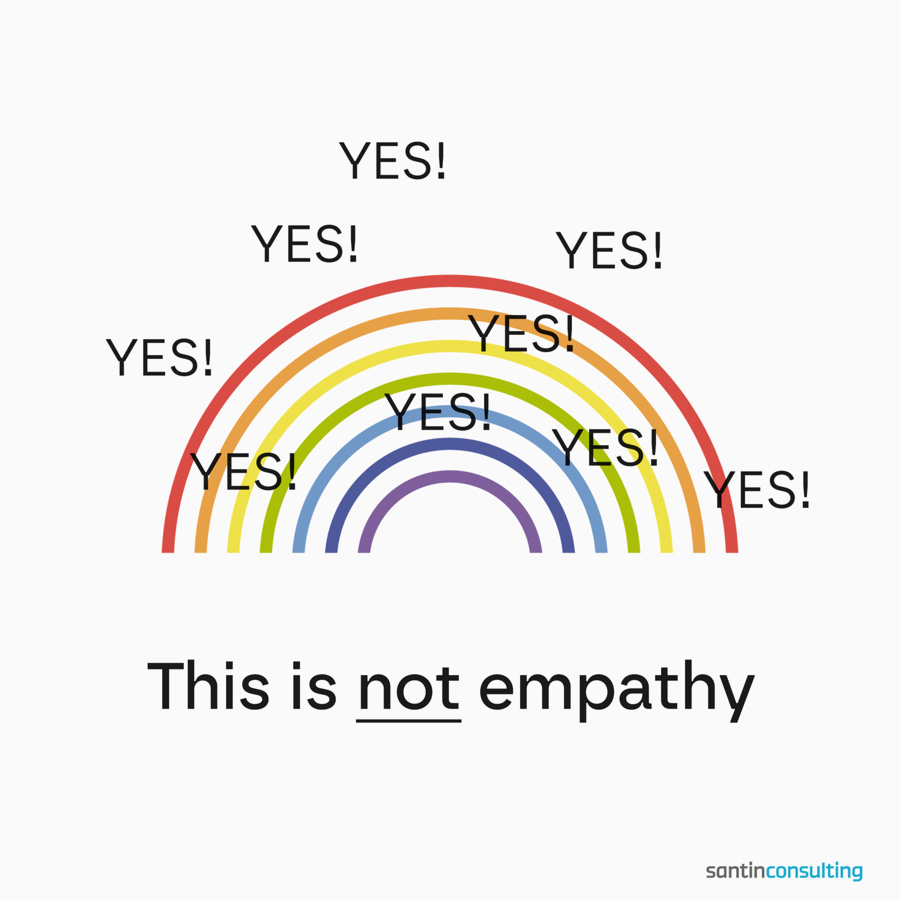



A common misunderstanding in negotiation is the difference between empathy and sympathy. These two concepts are often confused, but they lead to very different outcomes.
Sympathy means simply being nice and agreeing—even when we do not actually agree—just to avoid an unpleasant discussion and maintain a good relationship.
In most negotiations, this is not helpful. It often leads to weak agreements and unresolved issues.
Empathy, on the other hand, is the ability to recognize and understand the perspective of the counterpart. It means being able to put yourself in the other person’s shoes.
Empathy is extremely important during negotiations because it helps to:
However, understanding does not mean agreeing.
Some expert negotiators believe that even showing this understanding can be risky. Personally, I do not agree with this view—as long as it is clear that understanding the other side does not mean accepting their position.
For example, I may understand that a supplier is facing cost pressure due to increasing labor costs. Acknowledging this fact shows empathy and helps build rapport.
But understanding the problem does not automatically mean agreeing to a price increase.
In negotiation, empathy is not a weakness. It is a tool to better understand the situation, strengthen the relationship, and ultimately create better outcomes.
Join our Learning Sessions to gain deep knowledge about:
ADVANCE NEGOTIATION
This program is designed for senior purchasers involved in complex, high-stakes negotiations. It develops advanced negotiation skills, strategic thinking, and influence techniques to optimize outcomes in both bilateral and multilateral environments. Participants gain a structured, practical approach and immediately applicable tools to manage complex negotiations more effectively, increase their impact, and achieve superior results.
STRATEGIC PURCHASING
This training program is designed primarily for employees who are new to purchasing, but it is also highly recommended for operational purchasers who lack experience in a strategic approach. The program combines dynamic presentations, real-life examples from my professional experience, and interactive business cases that participants will actively work through. This ensures a practical, engaging, and results-oriented learning experience.
Comments are closed.